
A Simple, All-Natural Cleaner We’ve Been Making for Years (And Why It Works)
The Overlooked Side of “Healthy Living”
We live in a world where words like “green,” “low-tox,” “hormone-friendly,” and “clean” are everywhere — and they don’t just apply to the food we’re eating anymore.
When people start thinking about improving their health, the focus is usually on cleaning up their food, moving their bodies more, prioritizing sleep, hydration, stress management, and getting outside for daily sunlight. Those things are all very important, it’s true.
But have you ever extended that same line of thinking to the products you use in your home every single day?
Have you ever stopped to consider what’s actually in those products — and whether those ingredients are supportive of good health?
Why Cleaning Products Matter More Than We Think
Cleaning products are one of the most overlooked sources of toxins that can disrupt the endocrine system — the system in the body responsible for producing and regulating hormones.
Your endocrine system helps control things like energy levels, metabolism, mood, sleep, stress response, and reproductive health. When it’s disrupted, the effects can show up in subtle ways that add up over time.
What makes cleaning products especially important to look at is how our bodies are exposed to them. We breathe them in through our nasal passages and lungs (especially anything scented), and we absorb residue through our skin when we touch countertops, floors, laundry, and other surfaces around our homes.
This affects everyone in the household - adults, children, even pets.
Yet cleaning products are rarely part of the conversation when people talk about “cleaning up” their health.
Common Ingredients Found in Conventional Cleaners
You don’t need to memorize ingredient labels or live in fear of everything under your sink. Awareness is power and a great starting point to identifying what matters to YOU and your family.
Some of the most common ingredients found in conventional cleaning products that raise concern include:
Fragrance (or “parfum”) — a catch-all term that can hide dozens of undisclosed chemicals
Phthalates — often used to make scents last longer and linked to hormone disruption
Ammonia — irritating to the lungs, skin, and eyes
Chlorine / bleach — harsh on respiratory health and reactive when mixed with other products
Quaternary ammonium compounds (“quats”) — commonly used disinfectants linked to respiratory and skin irritation
Repeated exposure over time can add up and create ripple effects in your health. Thankfully, there are simpler and safer options you can choose instead.
The Cleaner We’ve Been Making for Years
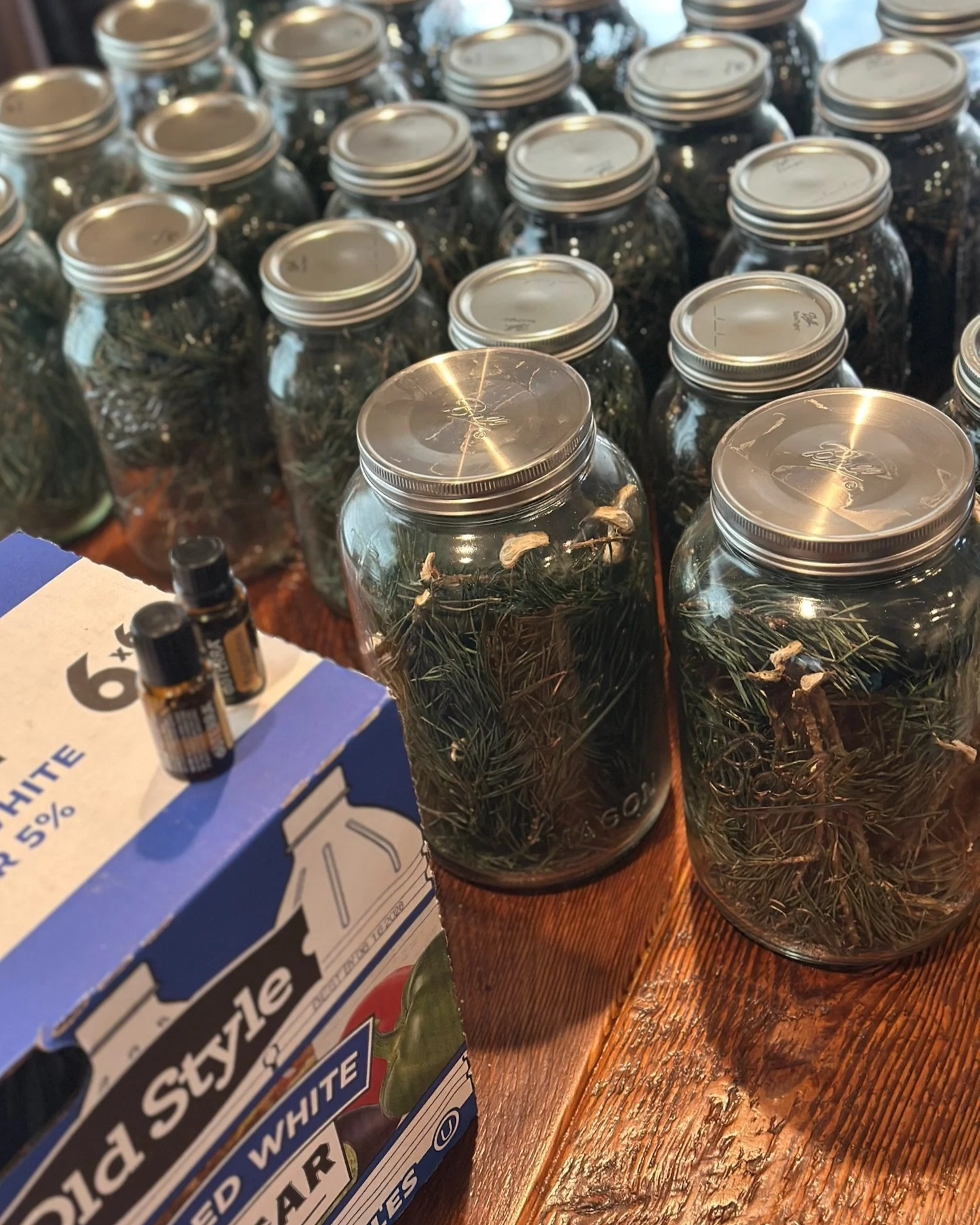
For the last three years, we’ve made our own multi-purpose, disinfecting, all-purpose cleaner using just a few incredibly simple ingredients. And one of our favorite parts? We make it once per year, using our real Christmas tree. Instead of tossing it and sending it to the landfill, we repurpose it and use it all year long. It’s simple, cost-effective, smells amazing, and aligns perfectly with how we approach health overall: fewer ingredients that actually do their job.
Ingredients
1 real Christmas tree (pine)
Orange peels (clementines or “cuties” work great — we used both in our most recent batch)
Lemon essential oil
Distilled white vinegar
Supplies
Large glass jars (quart size or larger — we use ½-gallon and 1-gallon jars)
Fine mesh strainer
Spray bottles for use later
How to Make It
When it’s time to take down your Christmas decorations and move into the new year, instead of throwing out your real tree, put it to use:
Bring your tree outside or into the garage
Cut the branches off the main trunk
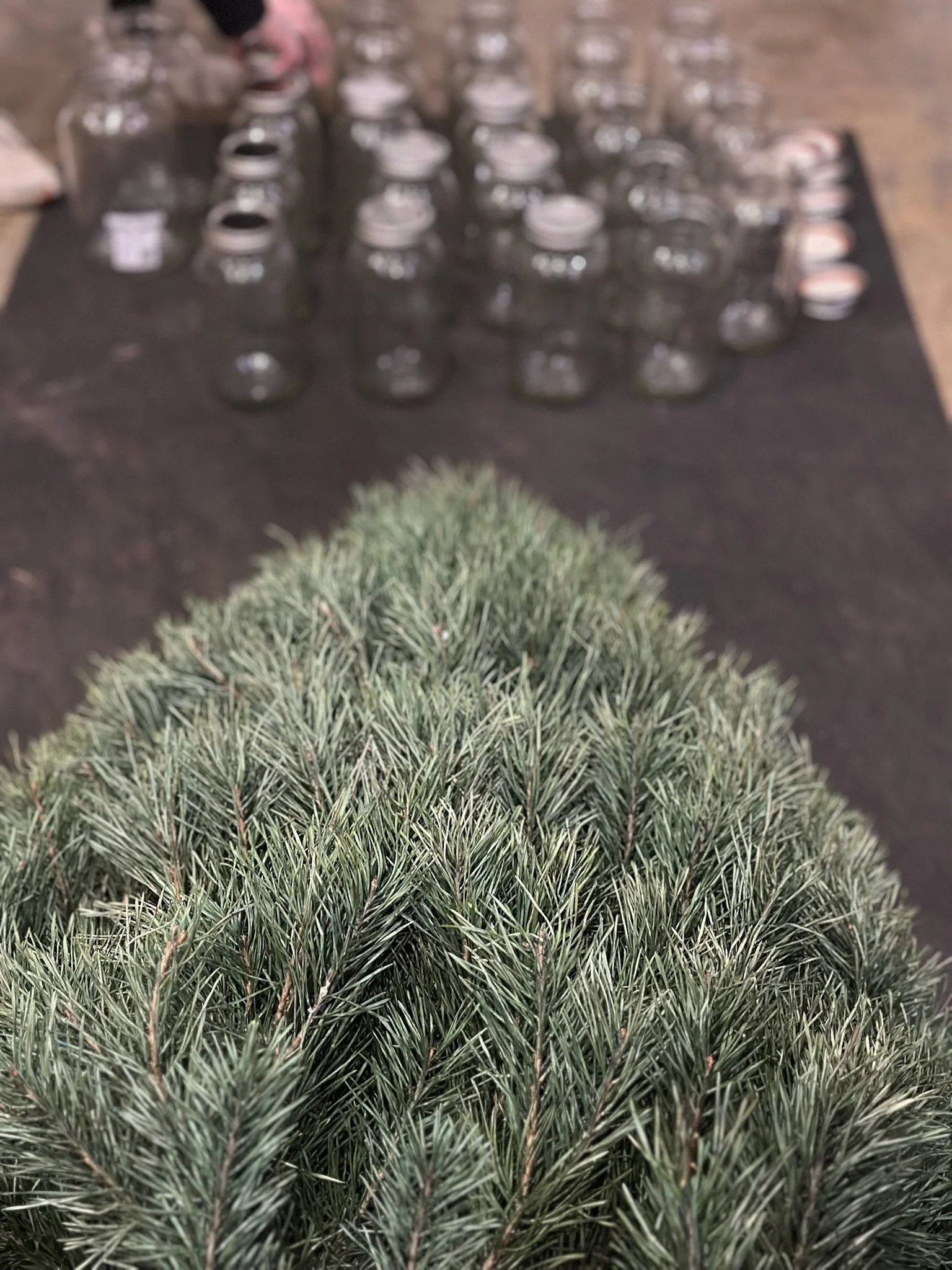
Pull apart the smaller branches filled with needles
Pack the needles into glass jars until they’re about halfway full
Add a handful of orange peels to each jar
Add 5–10 drops of lemon essential oil
Fill each jar to the top with distilled white vinegar
Seal the jars and store them in a dark place (a pantry or closet works great)
After about 3–4 weeks, strain the liquid through a fine mesh sieve and discard the needles and peels.
What you’re left with is a beautiful, all-natural cleaner you can use on countertops, glass, stainless steel, floors, stoves — pretty much everything.
Why This Cleaner Works
It’s really just simple chemistry paired with nature doing what it does best.
Vinegar acts as the base of this cleaner.
White distilled vinegar is naturally acidic, which helps break down grime, dissolve mineral buildup, and inhibit the growth of bacteria. It’s been used as a cleaning and disinfecting agent for centuries, long before modern chemical cleaners existed.
Pine needles add powerful plant-based support.
Pine needles contain natural antimicrobial compounds, including essential oils and plant phenols, that have historically been used for cleaning and purification. When pine needles sit in vinegar for several weeks, these compounds are slowly extracted into the liquid, strengthening the cleaning solution. There’s a reason pine has long been associated with “clean” - it’s part of pine’s identity.
Citrus boosts cleaning power and freshness.
Orange peels contain d-limonene, a natural solvent that helps cut through grease and residue. Citrus peels and lemon essential oil also add antibacterial properties and leave behind a fresh, natural scent without synthetic fragrance.
Together, these ingredients create a simple but effective system.
Vinegar cleans and disinfects; pine supports antimicrobial action; citrus helps break down grime and adds freshness. We use this in our bathrooms, in our kitchen, on our stove, appliances, floors, glass, and everything in between.
No synthetic fragrances.
No harsh chemicals.
No known endocrine disruptors.
Just simple ingredients working together to clean your home safely and effectively.
Just a Little Reminder
You don’t have to overhaul everything overnight — and you definitely don’t have to be “perfect”.
If making your own cleaner feels exciting, try it out. If not, starting with awareness and better choices when you can is still a big win.
Your health is shaped by more than meals and movement. The products you use at home matter too, and small changes really do add up.